
There are three new pages on the site: fuel, electricity and gas. They are not in the menu. They are the kind of page you want twice a month rather than every day, and they are built for a phone, standing at a pump or sitting with a bill.
Fuel: the cheapest forecourt on your way, not the cheapest in Sheffield
Every big retailer now publishes its forecourt prices as open data under the CMA scheme, so the raw numbers are free to anyone. What nobody does with them is the bit that actually matters: a forecourt four miles the wrong way is not cheap, whatever the sign says.
So the main thing on the fuel page is a question. Where are you going? Put in where you are starting and where you are heading, pick your fuel, and it looks at every forecourt within a couple of kilometres of that line, works out what the detour costs you, and tells you what you would actually save on a fifty litre fill against filling up near where you set off. Some days the answer is that it is not worth leaving the main road, and it says so.
Under that is the plain version: today’s cheapest unleaded and diesel, every forecourt in the city ranked, and distances from a postcode you give it rather than from the Town Hall. Prices come from the retailers themselves, so they can lag the pump, and anything that has not been refreshed for a week is shown but never ranked.
Electricity and gas: understand your bill and find practical help
Electricity and gas prices are harder to compare because there is no complete, freely licensed feed of every supplier tariff. These pages focus on the reliable benchmarks and practical actions that are available now.
What there is: the Ofgem cap as the benchmark to measure your own bill against, the cheapest and greenest half hours of the day from the one half-hourly tariff that publishes its rates openly, a checklist for reading a bill and finding the numbers that matter on it, live power cuts and the 105 line, and a proper route through to help – Citizens Advice, the Priority Services Register, and the help that exists in Sheffield for people who are behind.
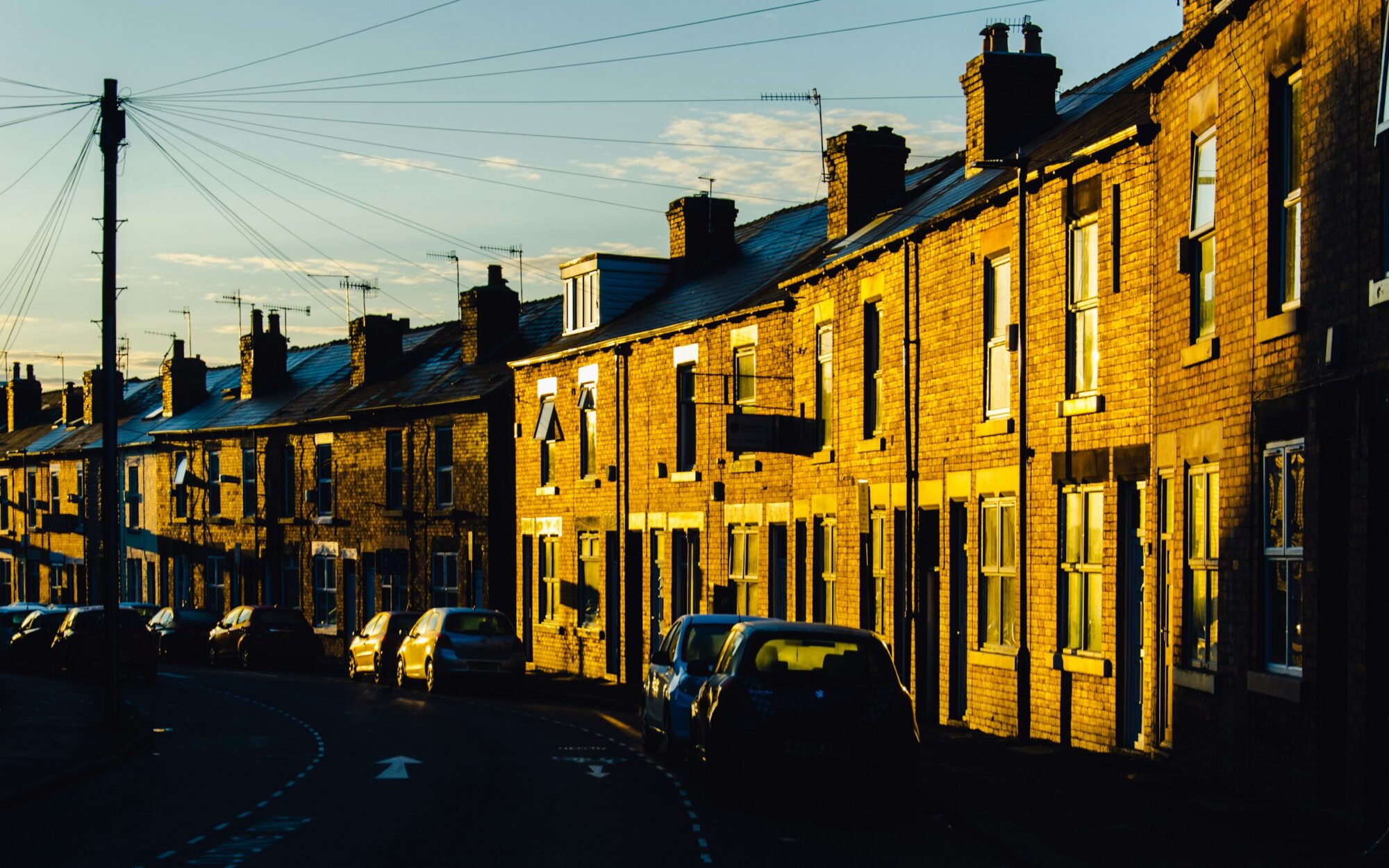
The gas page leads with the emergency number, because that is the one thing on it that might matter in the next five minutes. If you can smell gas, ring 0800 111 999 before you read anything else.
Clear limits, useful next steps
Each page also explains which information is still unavailable and what is being added next. Live traffic needs keys I have not registered yet. The cap figure has to be checked and typed in by hand each quarter, and when it is out of date the page shows nothing rather than an expired number. Fuel poverty figures by neighbourhood are a job still to do.
That clarity makes the tools more useful: every number is traceable, uncertain figures are left out, and the next step is always clear.
Every figure says where it came from and under what licence, and all of it is on the sources page with everything else the site uses.