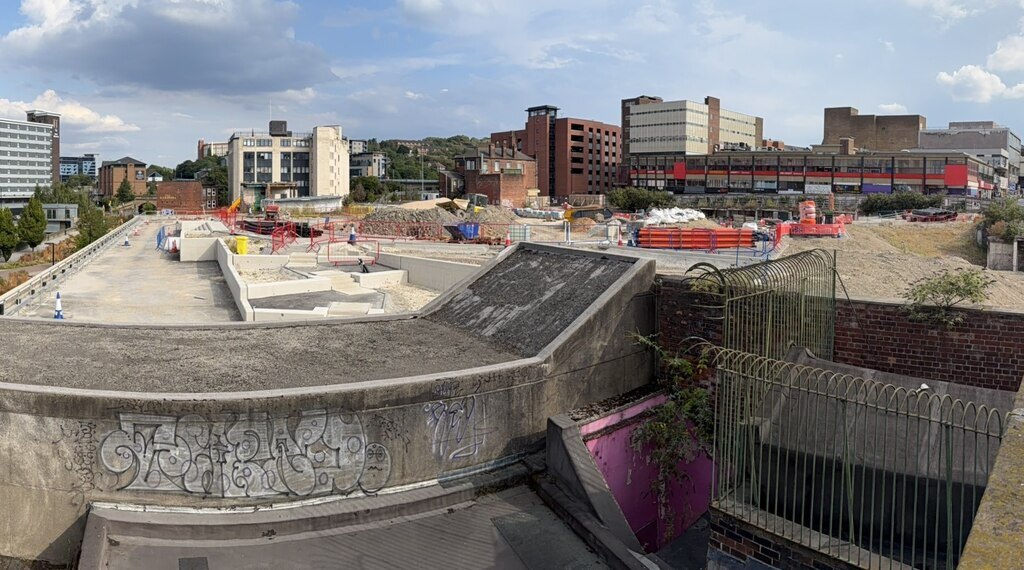
Castle Hill Park, the new park being built on the site of Sheffield Castle at Castlegate, won’t open until summer 2028. It was meant to open this year. Sheffield City Council confirmed the new timetable on 23 September, pointing to the sheer amount of castle that has turned up in the ground, the redesign needed to keep it, and the work to bring the River Sheaf back into daylight with a fish pass for salmon. The park and the river works will now be finished together. The money is the awkward bit: the scheme was reported to be around £8m over budget earlier this year, and the council says the cost of the new timetable is still being worked out, with an update hoped for by the end of the year. When it does open, it should have a 500-capacity events space, play areas, the Sheaf running alongside and real medieval castle remains you can walk past. My view? It’s worth doing properly. But we deserve straight numbers.
What’s changed, in plain English
Nearly two more years. In April 2025 the council said the dig had pushed the opening back to late 2026. That date has now gone as well. The new target is summer 2028, with the park and the River Sheaf works finished at the same time rather than one after the other.
Councillor Alexi Dimond, who chairs the council’s transport, regeneration and climate committee, said: “While we know people are eager to see the new park completed, we’re taking the time to respond to the unique challenges that are presented as part of working on the site at Castlegate.” The council itself now calls it one of its most complex regeneration projects, and having watched it through the hoardings on Waingate and Exchange Street for the best part of two years, I believe them.
It isn’t only the council’s call, either. Historic England, the council’s planners, the South Yorkshire Archaeology Service and the Castlegate Board, which includes the Friends of Sheffield Castle and the Sheaf and Porter Rivers Trust, all have to agree how the remains are kept and shown. Work in the river also needs permits from national agencies. That’s a lot of people who all have to say yes.
Why it’s taken so long
Three things, mostly.
- The castle kept turning up. Wessex Archaeology, digging for the council, found far more than the original design allowed for (the full list is below). Martin Gorman of the Friends of Sheffield Castle told the BBC that because it’s a listed building, Historic England, conservation architects and the council’s planning, design and archaeology teams all have a say. He’s right: the remains of Sheffield Castle under the old market are on the National Heritage List as Grade II listed. You can’t just pour a path over that.
- The river design changed. The Sheaf and Porter Rivers Trust argued for a fish pass so salmon and other fish can get up the Sheaf. It wasn’t in the original plans. Their chair, Simon Ogden, admits that change added time, and I’m glad they pushed for it. Opening up a river and then leaving the fish stuck at a weir would have been daft.
- Permits. Ogden also said the national agencies haven’t been “as kind as they could be” with quick decisions, and that every delay “costs time and money”.
There’s a fair criticism in all this too. Gorman’s view is that the council did things the wrong way round: design the park, then start digging and keep hitting archaeology. “It would make sense, wouldn’t it, to do all the archaeology first?” he told the BBC. I’ve some sympathy, because nobody was surprised there was a castle under Castle Market. People dug there in the 1920s, the late 1950s, around 2000 and again in 2018. But some of what came up was genuinely new. When the gatehouse and walls appeared in 2024, Gorman said the newly found walls “do not appear on any old maps or documents”. It’s hard to design around a wall nobody knew was there.
What’s been found under Castle Market
This is the bit that gets skimmed in most of the coverage, and it’s the bit I find most exciting. Since work started in early 2024, the dig has uncovered:
- the east and west towers of the castle gatehouse, plus the stone pier and abutments that held up the drawbridge
- the moat of the stone castle, about six metres deep
- stone structures on the south side of the motte from around 1270, when the castle was rebuilt in stone
- castle walls more than 1.5 metres thick, some of them on no known plan
- a medieval well 12.5 metres (41ft) deep that still has water at the bottom. This year the team lowered a drone in a metal cage down the shaft to build a 3D model of it
- wooden stakes from the Civil War defences, remarkably well preserved
- slaughterhouses from the 1700s and 1800s, and a gennel (a proper Sheffield word for a proper Sheffield find)
- two cementation steel furnaces sharing one chimney, built into the castle ruins themselves
- a mid 16th century Nuremberg jetton, a little copper counting token
The steel furnaces sum Sheffield up for me: a medieval castle at the bottom, and steelmaking built straight into it. The dig won Current Archaeology’s Rescue Project of the Year in 2025, and fair enough.
900 years on one hill: a quick timeline
- Around 1100: a timber motte and bailey castle goes up where the Sheaf meets the Don, probably built by William de Lovetot.
- 1266: rebel barons burn the castle and the town during the Second Barons’ War.
- 1270: Thomas de Furnival gets a charter from Henry III and rebuilds the castle in stone. The well and the newly found southern structures date from around now.
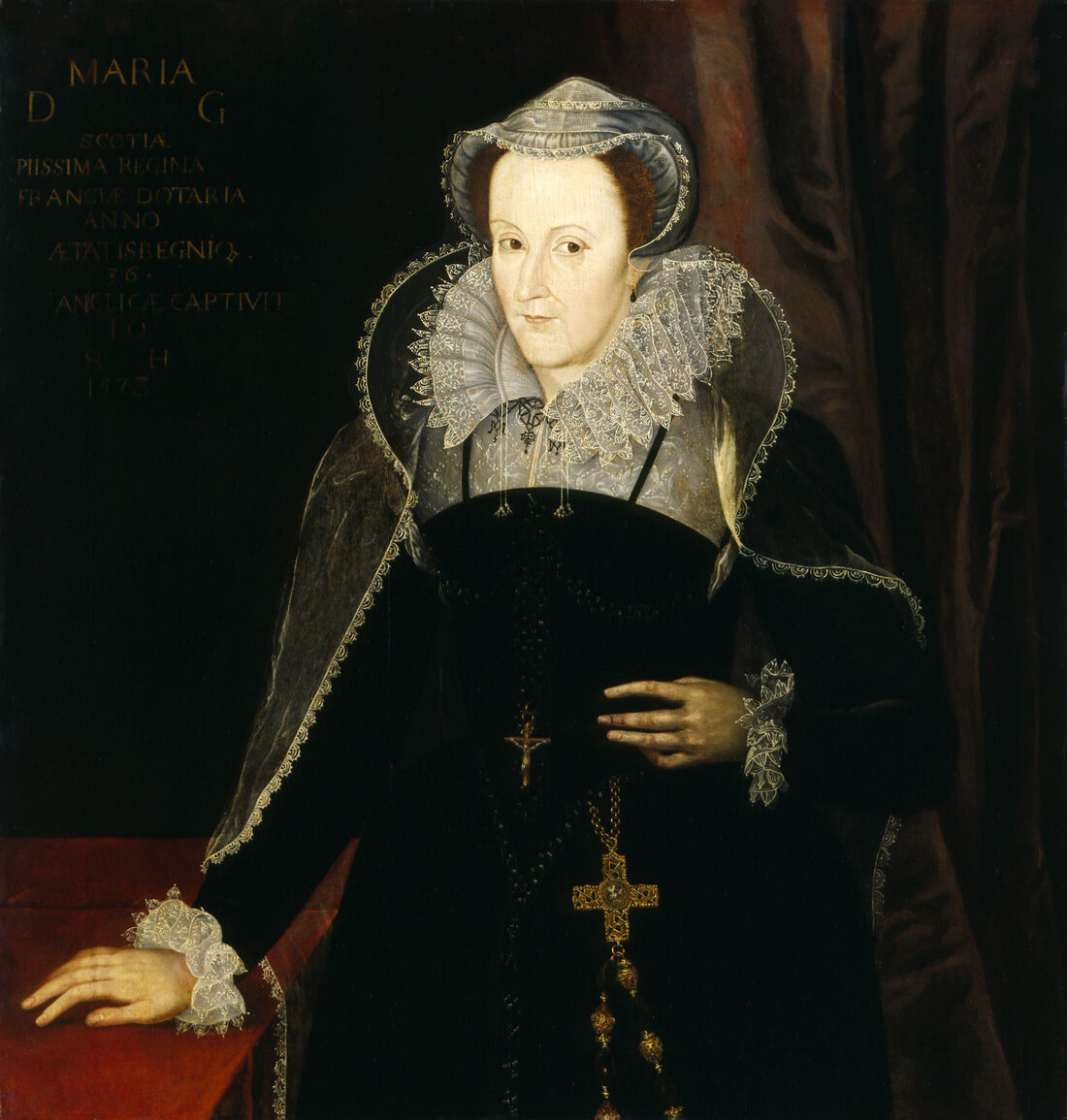
- 1570 to 1584: Mary, Queen of Scots is held prisoner in Sheffield for 14 years by George Talbot, 6th Earl of Shrewsbury, moving between the castle and Manor Lodge.
- 1644: Parliament’s forces take the castle back from the Royalists after a siege of about ten days.
- 1648: the castle is pulled down so it can never be held again. Some of its stone goes into the Free Grammar School on Townhead Street.
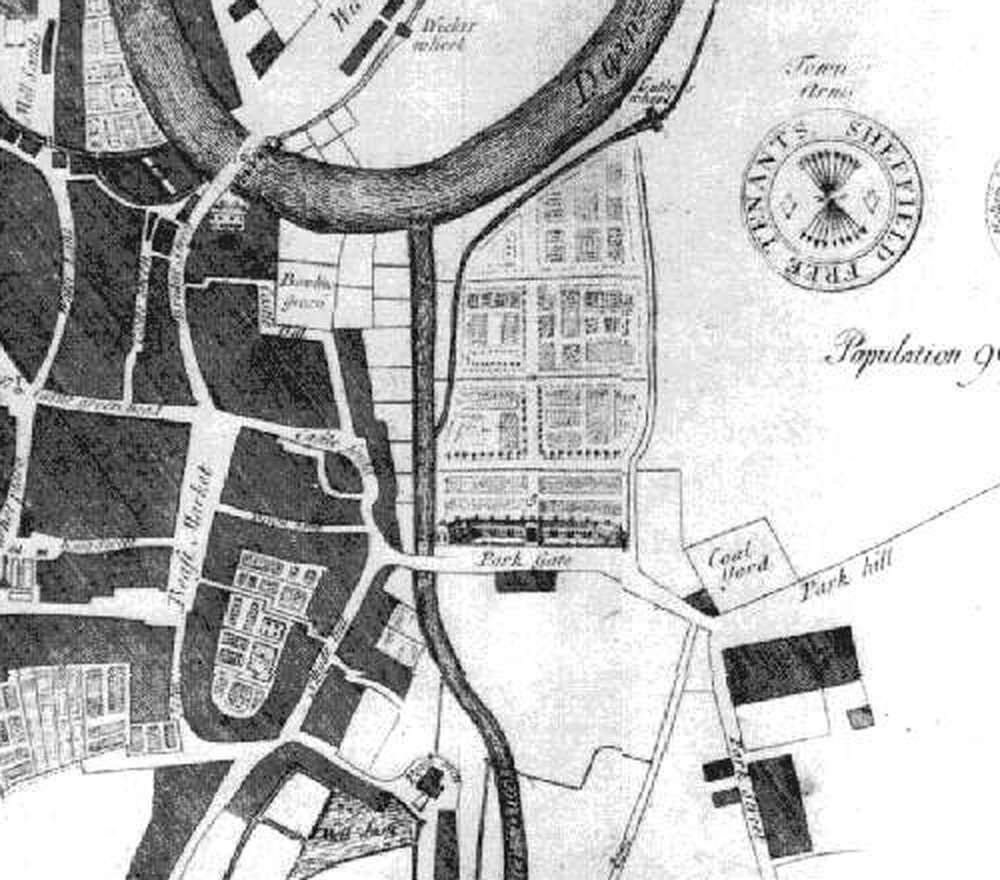
- 1700s: a bowling green sits on the old castle site, clearly marked on Ralph Gosling’s 1736 plan of the town.
- 1700s and 1800s: slaughterhouses and steel furnaces move in.
- 1917: the River Sheaf is buried in a concrete culvert so the market and the new Castlegate road can be built.
- 1927 to 1930: Leslie Armstrong digs on the site and finds the base of one of the gatehouse towers.
- 1959 to 1965: Castle Market is built on top of the lot.
- 23 November 2013: Castle Market shuts and the traders move to the Moor Market.
- 2015: Castle Market is demolished.
- 2018: Wessex Archaeology and University of Sheffield students dig the site.
- October 2021: the government awards £20m from the Levelling Up Fund to the council’s “Gateway to Sheffield” bid, about £15.8m of it for the park.
- May 2023: planning permission granted.
- Early 2024: construction and the big dig begin.
- April 2025: opening pushed back to late 2026, with a budget gap of around £5m.
- Earlier in 2026: the scheme is reported to be about £8m over budget.
- 23 September 2026: new date confirmed: summer 2028.


I remember Castle Market
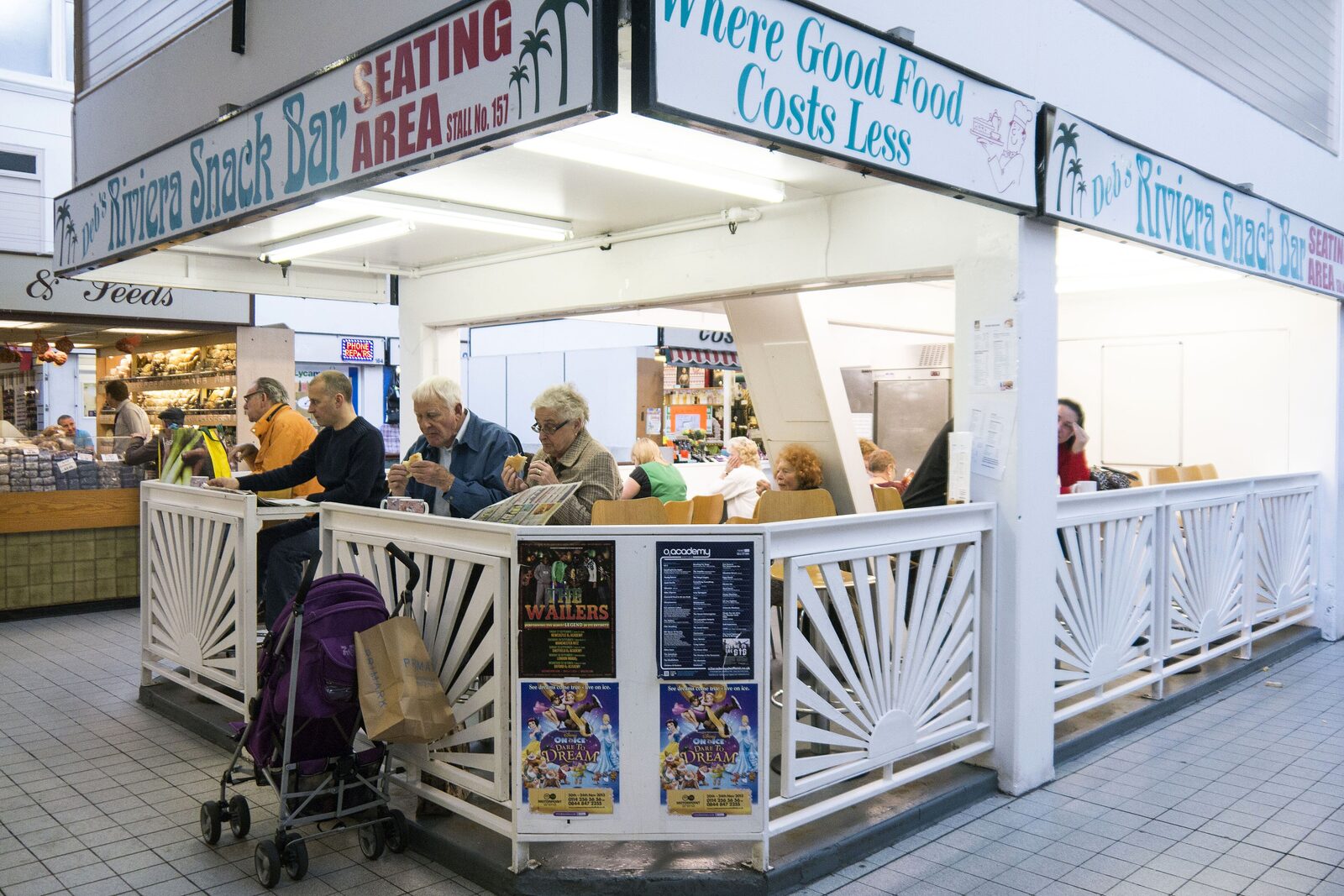
Castle Market was a proper market. I remember the fish and meat market, the smell and the noise of it. I remember the pet stalls that every kid got dragged past, or begged to stop at. And I remember the cafés, like Deb’s Riviera Snack Bar, where the sign promised “Where Good Food Costs Less” and a brew or a fry-up didn’t set you back much at all.
It was sat on top of a castle the whole time, and most of us walking through it had no idea. That’s a big part of why I don’t mind waiting a bit longer. The whole point of this park is that you won’t need telling the castle is there. You’ll be stood next to it.
.jpg)
The river that gave Sheffield its name
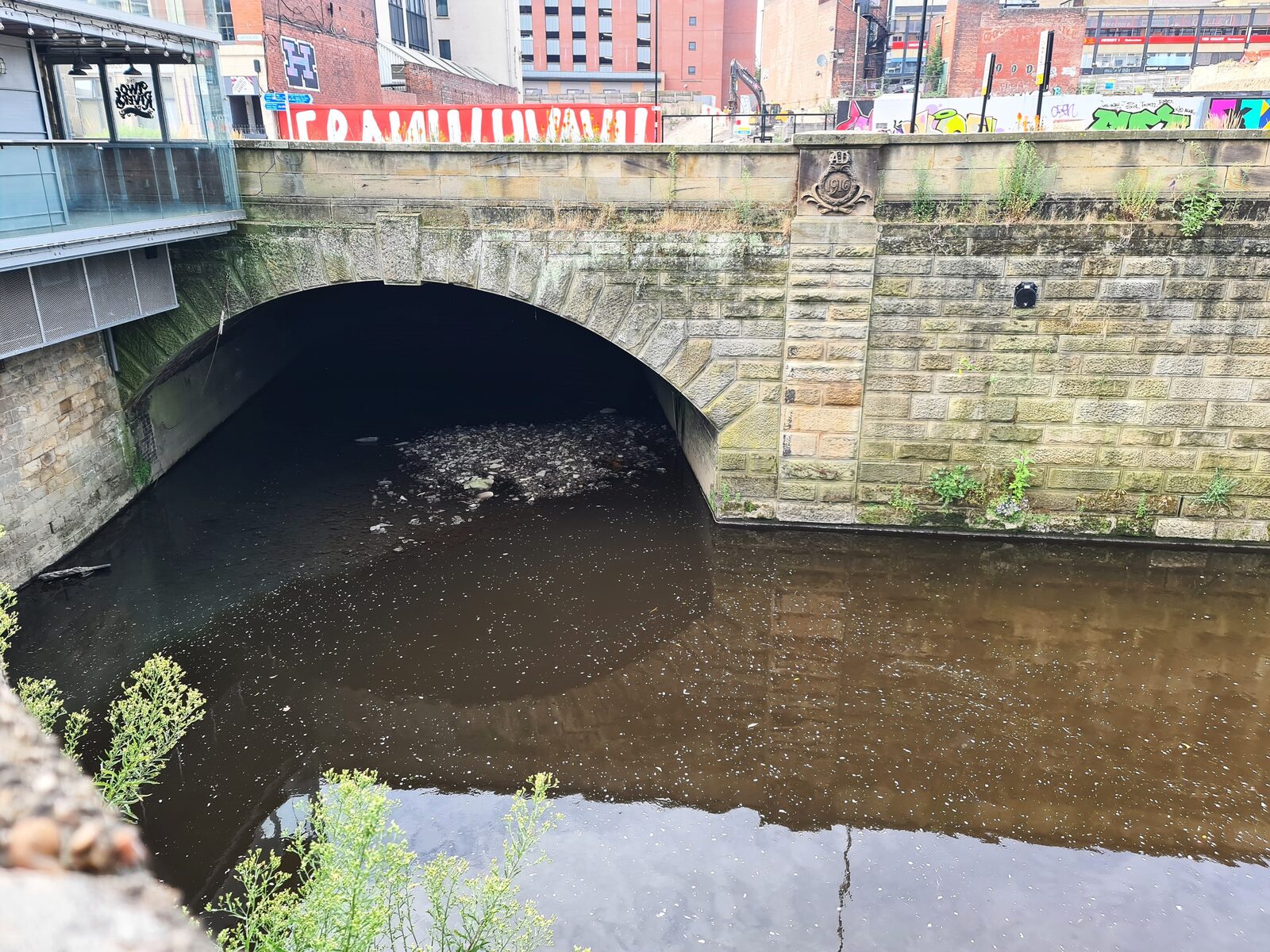
Sheffield takes its name from the Sheaf: the field by the Sheaf. For 109 years the river has run through a concrete culvert under the market site. When it was buried in 1917, nobody missed it much. The Sheaf was little better than an open sewer back then, full of waste from the slaughterhouses. Now the old culvert is crumbling, and the plan is to open the river up where it meets the Don for the first time in over a century.
The design now includes a rock ramp fish pass over the 1.5 metre Castle Orchard Weir, so salmon and other fish can work their way further up the Sheaf. The council says the river work has made good progress, helped by the long dry summer, though it still depends on the weather playing ball.
I’ve watched this part of the job from Lady’s Bridge and Blonk Street, and if you want to see where the Sheaf comes out from under the city to join the Don, that’s your spot.
What Castle Hill Park will actually have
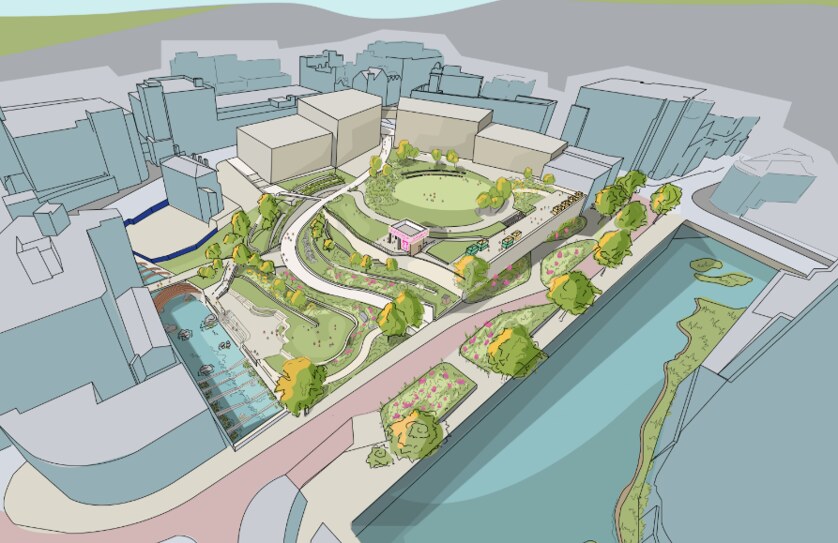
- An events space for 500-plus people. The council says it’s a nod to the bowling green that sat on the site in the 1700s, and it’s there to carry on Castlegate’s music scene.
- The castle on show. Key parts of the archaeology will be displayed and explained, so you can walk through “over 800 years of Sheffield history”, in the council’s words.
- The River Sheaf in daylight, with the Sheaf Field part of the park looking over it and the fish pass in the water.
- Play areas for kids.
- Proper green space in a corner of town that’s had very little of it.
The same Levelling Up money is also paying for Harmony Works at Canada House on Commercial Street, a music teaching and performance hub, and a new home for S1 Artspace in the old Yorkshire Bank Chambers on Haymarket. On top of that, the council, Legal & General, the South Yorkshire Mayoral Combined Authority and Sheffield College have signed a memorandum of understanding backing a big new college campus on the edge of the park.
Why a 500-capacity space matters for Sheffield events
This is the bit I care about most, running an events site. Sheffield has no shortage of big parks, but outdoor spaces in the middle of town that are actually built for gigs, markets and festivals are thin on the ground. Devonshire Green, the Peace Gardens and Barker’s Pool do a lot of heavy lifting. A purpose-built 500-capacity space at Castlegate sits nicely between a sweaty gig at Delicious Clam and a full-blown festival field.
It suits the area, too. Castlegate already has the Clam, Plot 22 and Exchange Place Studios a couple of minutes’ walk away, and Castlegate Festival has spent the last few Septembers proving people will turn up when there’s something on. This year’s ran from 12 to 20 September and every event cost nowt. Give that festival a proper lawn and a stage in 2028 and it could be something special. When the space opens, you’ll find everything on it here on Sheffield Events.
My take: worth the wait, but show us the numbers
I’d rather wait until 2028 for a park that actually shows off the castle than get one in 2026 with the remains reburied under turf and a plaque on a post. This is where Sheffield started, where Mary, Queen of Scots was held, where the Civil War came to town. You only get one go at it.
But two years late and millions over budget is a lot, and “the financial implications are being assessed” isn’t an answer. Three things I’d like to see from the council:
- The full cost, soon. How much over, and where the extra is coming from. They’ve said they hope to update by the end of the year. Let’s hold them to it.
- More ways to see it in the meantime. The castle archaeology tours and the Sheaf walks during Castlegate Festival were a great idea. Do more of them, and give us better viewing points on Waingate and Exchange Street. It keeps people on side.
- A date that holds. Late 2026 became summer 2028. If 2028 slips as well, tell us early and tell us why.
What you can do at Castlegate right now
The park isn’t open, but the streets around it are very much alive. A few things worth your time this month:
- Walk down to Victoria Quays, the canal basin just round the corner.
- Have a wander through Grey to Green, the rain garden streets that have already changed this end of town.
- Join or support the Friends of Sheffield Castle, who have kept this site in the news for years.
- Visit Sheffield Manor Lodge, the Earl of Shrewsbury’s other Sheffield house, where Mary was also held.
- Find the Castle Market traders’ new home at the Moor Market, and the rest in our Sheffield markets guide.
- Keep an eye on everything on at Castlegate and in our Sheffield festivals guide.
Quick answers
When will Castle Hill Park open?
Summer 2028, according to Sheffield City Council’s revised timetable announced on 23 September 2026. The park and the River Sheaf works are due to be finished together.
Where is Castle Hill Park?
On the old Castle Market site at Castlegate in Sheffield city centre, between Waingate and Exchange Street, close to Lady’s Bridge where the Sheaf meets the Don.
Why has it been delayed?
Far more of Sheffield Castle survived than expected, so the park has been redesigned to preserve and display it. The River Sheaf design also changed to add a fish pass, and the work needs sign-off from Historic England and national agencies.
How much is it costing?
The government gave £20m from the Levelling Up Fund in 2021, about £15.8m of it for the park. By April 2025 there was a gap of around £5m, and earlier this year the scheme was reported to be about £8m over budget. The council says the cost of the new timetable is still being assessed, with an update hoped for by the end of 2026.
Can I see the castle remains now?
Not up close. You can see the works through the hoardings, and tours ran during this year’s Castlegate Festival. We’ll list any new ones on Sheffield Events as soon as they’re announced.
Is Castle Hill Park the same as Castle Park or Castlegate Park?
Yes. Earlier plans called it Castle Park, and the council now calls it Castle Hill Park.
Sources and picture credits
Sources: Sheffield City Council’s revised timetable announcement (23 September 2026) and April 2025 update, BBC News, Wessex Archaeology, Historic England, the Sheffield Tribune and the Local Democracy Reporting Service.
Pictures: top photo by Dave Pickersgill via Geograph, CC BY-SA 2.0; artist’s impression by Sheffield City Council; Castle Market by Bryan Ledgard, CC BY 2.0; the Sheaf by Chris Morgan via Geograph, CC BY-SA 2.0; Gosling’s 1736 plan and the Mary, Queen of Scots portrait are public domain.